Crisis
Preserve room for manoeuvre. Protect trust. Act with composure.
Communication crises can arise from cyber attacks, security incidents, compliance reports, conflicts, restructuring or critical media enquiries. They often create considerable time pressure. What then counts are reliable facts, clear responsibilities and communication that realistically assesses the situation, those affected and expectations.
TESCH supports companies and institutions in preparing for, managing and following up communication crises. The focus is not on ready-made standard messages but on a structured approach: secure the facts, assess the risks, preserve room for manoeuvre and protect trust among the relevant stakeholders.
When crisis communications are needed
Crisis communications become relevant when an event may affect reputation, business operations or the trust of employees, customers, authorities, media or the public.
Typical occasions are:
- Cyber attacks, IT outages and data protection incidents
- Compliance reports, allegations or internal investigations
- Restructuring, site decisions or personnel measures
- Security events and critical incidents
- Escalating media enquiries or social media dynamics
- Politically, legally or socially sensitive topics
Our approach in an acute case
It begins with a reliable situation assessment. What is confirmed? What is unclear? Who is affected? Which legal, operational and reputational risks exist?
On this basis, responsibilities, messages, approvals and communication channels are defined.
TESCH provides support with, among other things:
- Setting up and steering a crisis communications team
- Situation analysis, stakeholder prioritisation and communication planning
- Drafting statements, Q&As and internal information
- Preparing interviews, media briefings and appearances
- Media and social media monitoring
- Coordination with legal counsel, investigations and fact-finding
Good crisis communication does not promise what is not yet confirmed. It informs early, states the current state of investigation, explains the next steps and corrects findings transparently as soon as new facts emerge.
Preparation instead of ad hoc mode
Crisis plans do not replace judgement in the individual case. They do, however, create the structures that keep an organisation able to act under time pressure: named roles, approval processes, reachable contacts, prepared templates and realistic scenarios.
Self-assessment
Check how well your organisation is prepared for communication in a crisis.
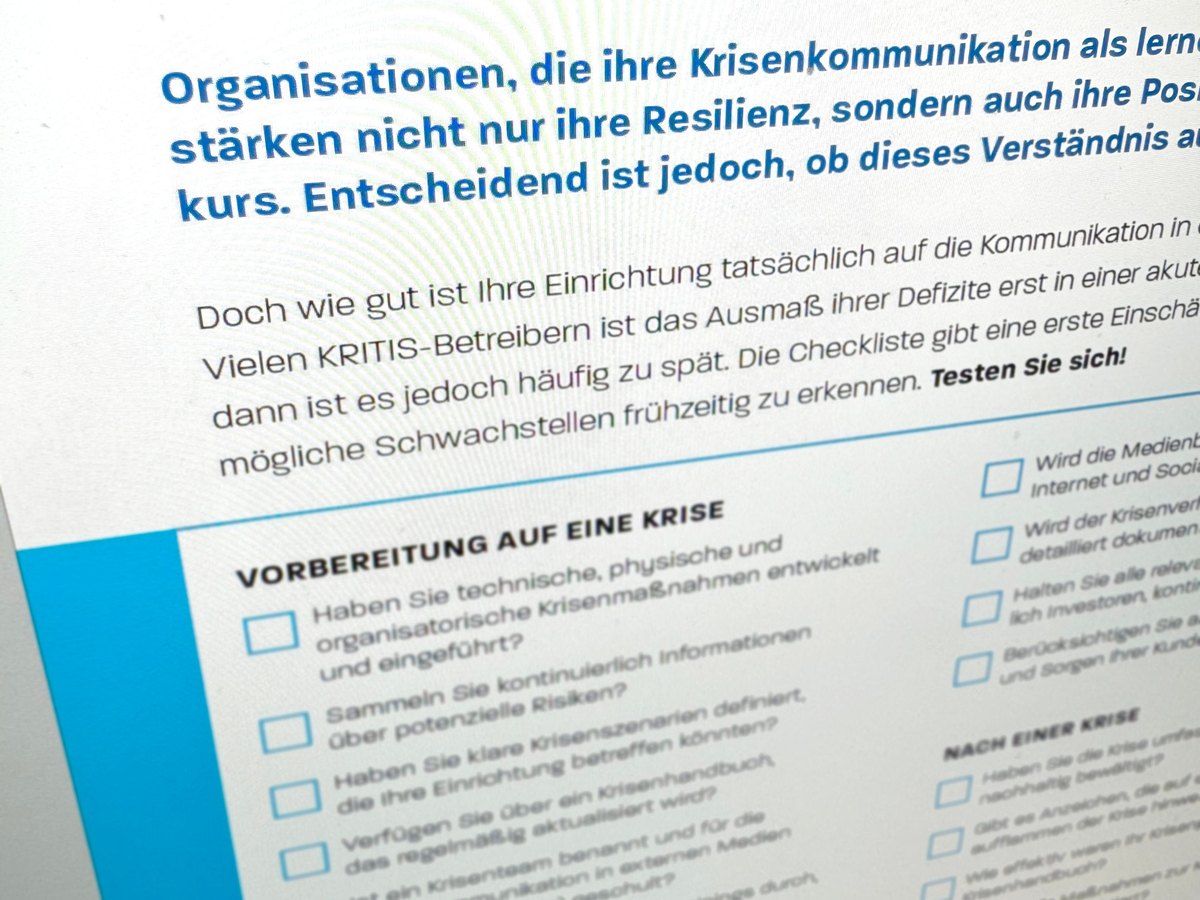
TESCH develops and reviews crisis communication plans, runs training sessions and simulations and prepares executives and spokespeople for critical situations. This includes risk analyses, early warning and monitoring structures, crisis manuals and protected information pages for acute situations.
Communication in sensitive situations
In cyber incidents, compliance matters or crises with political and social relevance, communication, investigation and legal requirements must work closely together. Unconfirmed speculation, contradictory statements or information that comes too late can increase the damage.
TESCH combines crisis communications with experience at the interface of business, politics, public administration and the media. The advice takes account of technical, legal and reputational requirements, including when a situation is public, complex or fast-moving.
Crisis communications with TESCH
Henrik Tesch advises clients personally and confidentially. Where required, he works with specialised partners from law, investigation, IT security and communications.
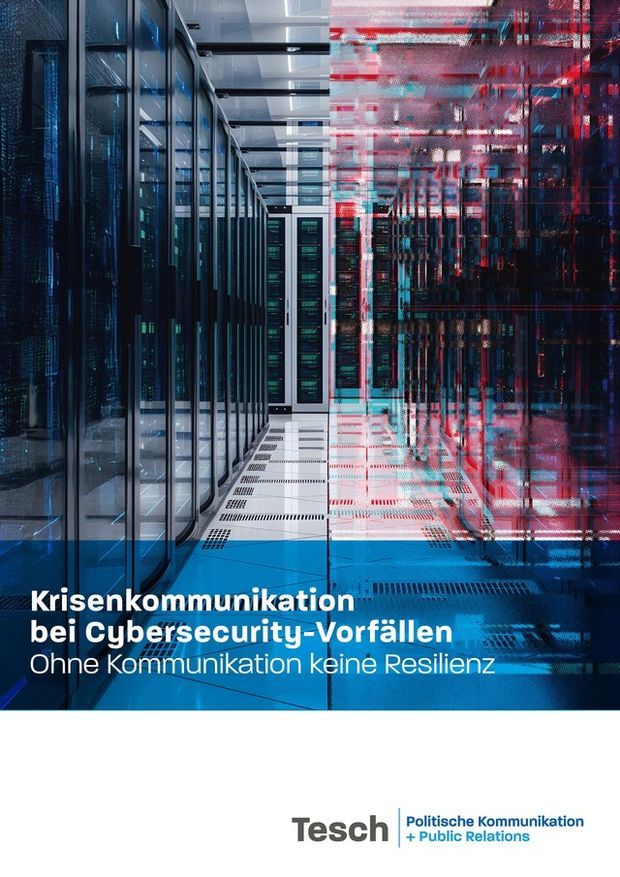
White paper: Crisis communications
Find out how companies and organisations build effective cyber resilience through clear messages and robust crisis structures.
For the free download we only need your name and your email address.
Would you like to assess the political, communicative
Arrange a conversation or send us a message.